Damp is a common issue affecting homes across Northampton, leading to structural damage and health concerns if left untreated. This guide explains the causes, types, and warning signs of damp, along with effective prevention methods. Choosing a professional damp proofing specialist helps protect your property, improve indoor air quality, and maintain long-term value.
Damp is a common issue affecting homes across Northampton, leading to structural damage and health concerns if left untreated. This guide explains the causes, types, and warning signs of damp, along with effective prevention methods. Choosing a professional damp proofing specialist helps protect your property, improve indoor air quality, and maintain long-term value.
About Author

Matthew Rupniak
Lucjan Rupniak is part of the family-run business
About Author
Matthew Rupniak
Lucjan Rupniak is part of the family-run business
Damp is considered to be one of the most common property concerns faced by homeowners across the UK, and it can affect both older and newer homes alike. In areas such as Northampton, where properties range from traditional period houses to modern developments, damp issues can arise due to a variety of factors, including weather conditions, building materials, and day-to-day living habits. While damp may begin as a minor inconvenience, it can quickly develop into a serious problem if not properly addressed. That is why it is important to choose a damp proofing specialist in Northampton.
Therefore, in this blog, we will discuss understanding what causes damp, how to recognise early warning signs, and how to protect your property is essential for maintaining a safe, comfortable, and long-lasting home.
What Is Damp and Why Does It Occur?
Damp refers to the unwanted presence of moisture within a property’s structure. It often occurs when water enters the building or even when an excess of moisture becomes trapped indoors. The common causes responsible for damp include:
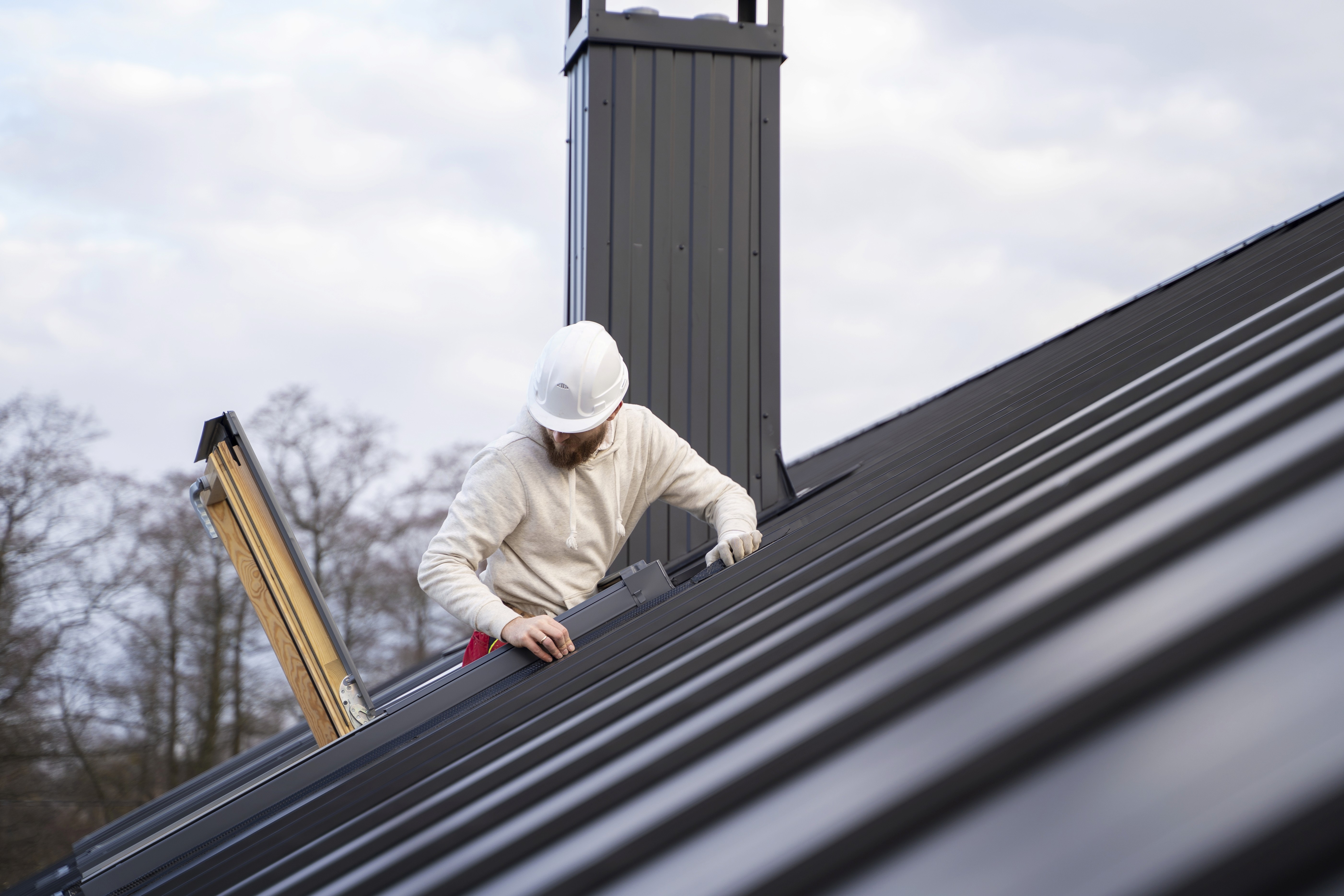
- leaking roofs
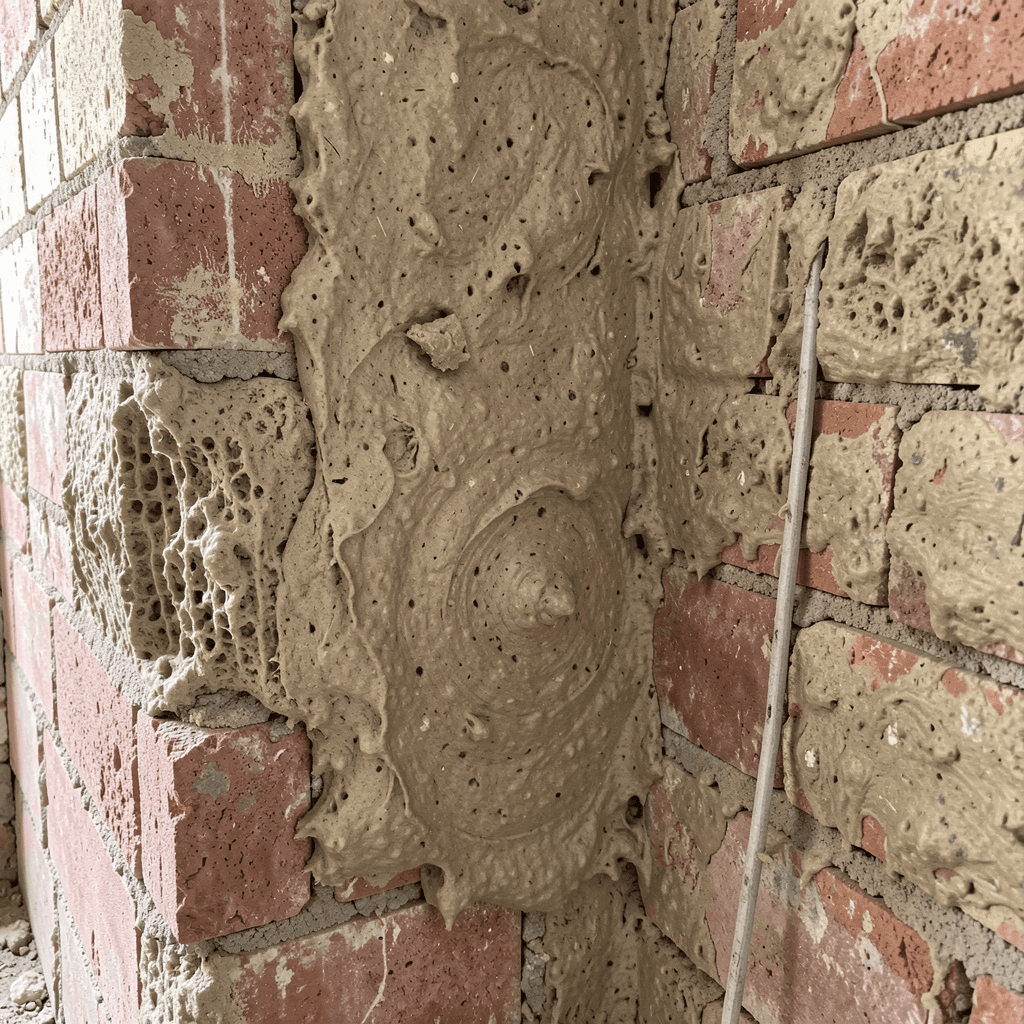
- damaged brickwork
- faulty plumbing
- poor ventilation and ineffective damp-proofing.
In Northampton homes, damp can be influenced by ageing properties, seasonal rainfall, and inadequate airflow in kitchens, bathrooms, and loft spaces.
Types of Damp in Northampton Properties
In Northampton properties, you will mainly have these three types of damp, which are commonly found in residential properties:
Rising Damp: It usually occurs when moisture travels up from the ground through walls due to a damaged or missing damp-proof course.
Penetrating Damp: It is caused by water entering through external walls, roofs, or windows, often due to cracks, loose tiles, or blocked gutters.
Condensation Damp: It is the most common form of damp and develops when warm, moist air meets cold surfaces, leading to water droplets and mould growth.
Each type of damp requires a different solution, making accurate identification essential.
Common Signs of Damp, which need to be addressed
Early detection of damp can prevent extensive damage and costly repairs, which can save the expense of plastering contractors. Therefore, the common signs include:
Peeling Paint or Wallpaper: Paint bubbling, flaking, or wallpaper peeling away from walls often indicates moisture trapped beneath the surface.
Damp Patches on Walls or Ceilings: Dark or discoloured patches that appear or grow over time are a clear sign of water ingress or rising damp.
Musty or Unpleasant Odours: Persistent damp smells usually point to hidden moisture and possible mould growth within walls or floors.
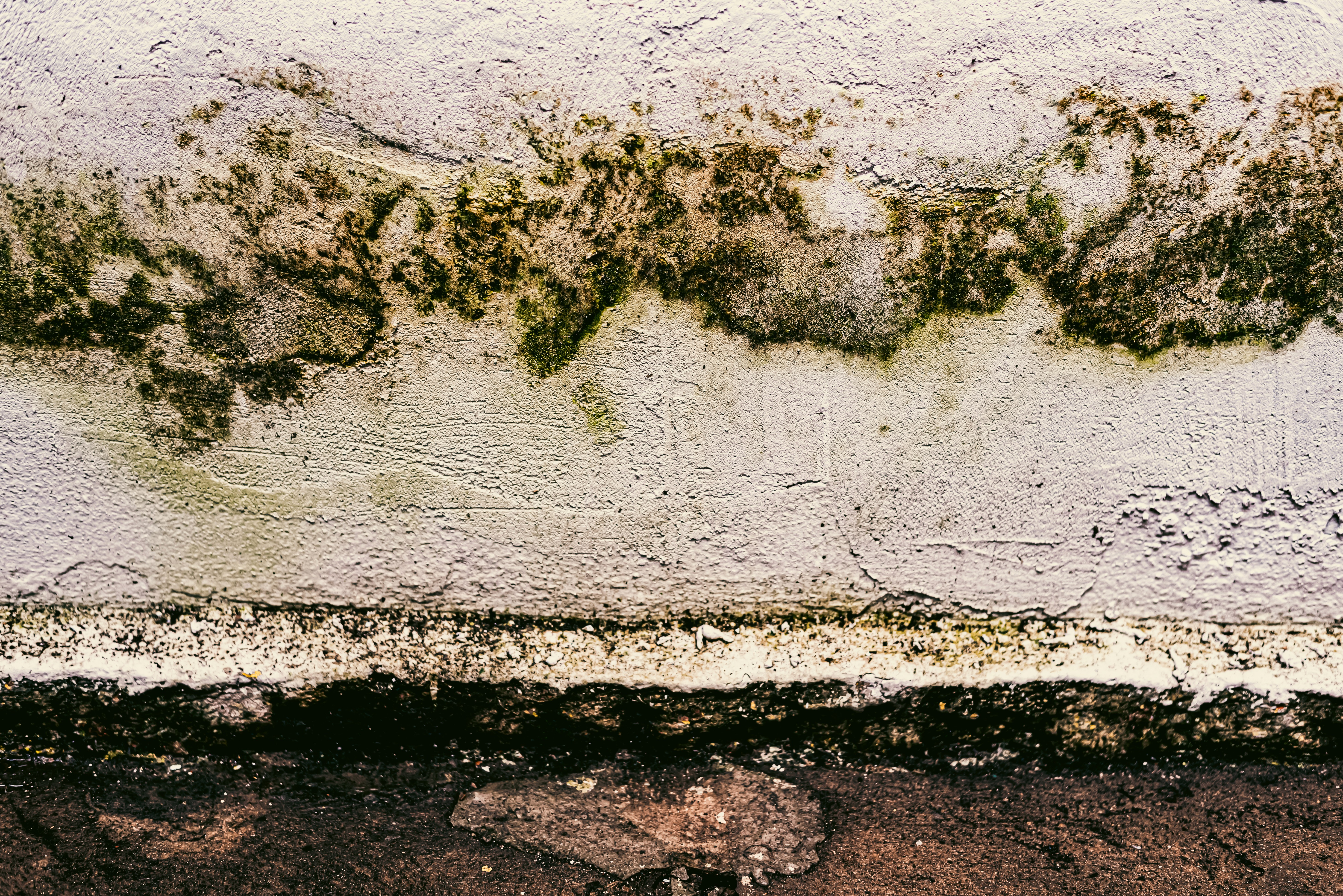
Mould or Mildew Growth: Black, green, or white mould spots around windows, corners, or ceilings signal excess moisture and poor ventilation.
Cold or Wet Wall Surfaces: Walls that feel cold or damp to the touch may indicate moisture penetration or condensation problems.
Rotting Timber: Damp can weaken plaster and wood, causing them to break down over time if left untreated.
The Impact of Damp on Your Property and Health
Damp can have serious consequences for both your property and the well-being of those living in it if left untreated. From a structural perspective, persistent moisture can weaken walls, ceilings, and floors by causing plaster to crumble, timber to rot, and metal fixtures to corrode. Over time, this damage can lead to costly repairs, reduced energy efficiency, and a noticeable decline in property value. Damp can also spoil interior finishes, leaving unsightly stains, peeling paint, and persistent odours that affect the overall comfort and appearance of the home.
In terms of health, damp conditions create the perfect environment for mould, mildew, and dust mites to thrive. Exposure to mould spores can trigger respiratory problems, allergies, asthma, and other breathing difficulties, particularly in children, elderly occupants, and those with existing health conditions. Living in a damp home can also worsen skin irritation and contribute to a general feeling of discomfort. Addressing damp issues promptly helps protect both your property’s structure and the health of everyone inside.
Steps Required to Prevent Damp in Your Home
You can ensure healthy homes by following these top 5 steps:
Step 1:
Improve Ventilation: Keep air flowing through your home by using extractor fans, opening windows regularly, and ensuring vents are not blocked.
Step 2:
Maintain Gutters and Drainage: Clean and repair gutters and downpipes to prevent water overflow and moisture penetration into walls.
Step 3:
Fix Structural Damage Promptly: Repair cracked brickwork, damaged roof tiles, and faulty flashing to stop water from entering the property.
Steps 4:
Control Indoor Moisture Levels: Reduce condensation by using dehumidifiers when necessary and avoid drying clothes indoors without proper ventilation.
Step 5:
Carry Out Regular Inspections: Schedule routine checks or professional surveys to detect damp issues early and prevent costly damage.
Why Choose a Professional Damp Proofing Service?
Here are the reasons why you should choose professional services:
Accurate Diagnosis: Professionals can correctly identify the type and source of damp, ensuring the right treatment is applied rather than temporary fixes.
Effective, Long-Term Solutions: Expert damp proofing services utilise proven methods and high-quality materials to prevent damp from recurring.
Specialist Equipment and Expertise: Trained technicians use advanced tools to detect hidden moisture and address issues that may not be visible.
Protection of Property Value: Proper damp treatment helps preserve your home’s structure, appearance, and market value.
Health and Safety Assurance: Professional damp proofing reduces the risk of mould and poor air quality, creating a healthier living environment.
Therefore, understanding the damp issues and property protection in Northampton Homes is necessary, and wisely choosing a reliable service provider such as PPM Builders can ensure the best services.
Conclusion
In Conclusion, understanding damp issues is essential for protecting homes in Northampton from long-term damage and avoidable repair costs. Damp not only affects the appearance of a property but can also compromise its structure and impact the health of those living inside. By recognising the early warning signs, taking preventative measures, and seeking professional support when needed, homeowners can effectively manage moisture problems before they escalate. Proactive damp proofing and regular property maintenance ensure your home remains dry, comfortable, and well-protected for years to come.
Frequently Asked Questions
Q: What is the most common type of damp in Northampton homes?
A: Condensation is the most common form of damp, often caused by excess indoor moisture and poor ventilation, especially in kitchens, bathrooms, and bedrooms.
Q: Is damp dangerous to health?
A: Yes, damp can encourage mould and dust mites, which may trigger respiratory problems, allergies, and asthma, particularly in vulnerable individuals.
Q: How often should I check my home for damp?
A: It’s recommended to inspect your home regularly and arrange a professional damp survey every few years or if you notice any warning signs.
Damp is considered to be one of the most common property concerns faced by homeowners across the UK, and it can affect both older and newer homes alike. In areas such as Northampton, where properties range from traditional period houses to modern developments, damp issues can arise due to a variety of factors, including weather conditions, building materials, and day-to-day living habits. While damp may begin as a minor inconvenience, it can quickly develop into a serious problem if not properly addressed. That is why it is important to choose a damp proofing specialist in Northampton.
Therefore, in this blog, we will discuss understanding what causes damp, how to recognise early warning signs, and how to protect your property is essential for maintaining a safe, comfortable, and long-lasting home.
What Is Damp and Why Does It Occur?
Damp refers to the unwanted presence of moisture within a property’s structure. It often occurs when water enters the building or even when an excess of moisture becomes trapped indoors. The common causes responsible for damp include:
- leaking roofs
- damaged brickwork
- faulty plumbing
- poor ventilation and ineffective damp-proofing.
In Northampton homes, damp can be influenced by ageing properties, seasonal rainfall, and inadequate airflow in kitchens, bathrooms, and loft spaces.
Types of Damp in Northampton Properties
In Northampton properties, you will mainly have these three types of damp, which are commonly found in residential properties:
Rising Damp: It usually occurs when moisture travels up from the ground through walls due to a damaged or missing damp-proof course.
Penetrating Damp: It is caused by water entering through external walls, roofs, or windows, often due to cracks, loose tiles, or blocked gutters.
Condensation Damp: It is the most common form of damp and develops when warm, moist air meets cold surfaces, leading to water droplets and mould growth.
Each type of damp requires a different solution, making accurate identification essential.
Common Signs of Damp, which need to be addressed
Early detection of damp can prevent extensive damage and costly repairs, which can save the expense of plastering contractors. Therefore, the common signs include:
Peeling Paint or Wallpaper: Paint bubbling, flaking, or wallpaper peeling away from walls often indicates moisture trapped beneath the surface.
Damp Patches on Walls or Ceilings: Dark or discoloured patches that appear or grow over time are a clear sign of water ingress or rising damp.
Musty or Unpleasant Odours: Persistent damp smells usually point to hidden moisture and possible mould growth within walls or floors.
Mould or Mildew Growth: Black, green, or white mould spots around windows, corners, or ceilings signal excess moisture and poor ventilation.
Cold or Wet Wall Surfaces: Walls that feel cold or damp to the touch may indicate moisture penetration or condensation problems.
Rotting Timber: Damp can weaken plaster and wood, causing them to break down over time if left untreated.
The Impact of Damp on Your Property and Health
Damp can have serious consequences for both your property and the well-being of those living in it if left untreated. From a structural perspective, persistent moisture can weaken walls, ceilings, and floors by causing plaster to crumble, timber to rot, and metal fixtures to corrode. Over time, this damage can lead to costly repairs, reduced energy efficiency, and a noticeable decline in property value. Damp can also spoil interior finishes, leaving unsightly stains, peeling paint, and persistent odours that affect the overall comfort and appearance of the home.
In terms of health, damp conditions create the perfect environment for mould, mildew, and dust mites to thrive. Exposure to mould spores can trigger respiratory problems, allergies, asthma, and other breathing difficulties, particularly in children, elderly occupants, and those with existing health conditions. Living in a damp home can also worsen skin irritation and contribute to a general feeling of discomfort. Addressing damp issues promptly helps protect both your property’s structure and the health of everyone inside.
Steps Required to Prevent Damp in Your Home
You can ensure healthy homes by following these top 5 steps:
Step 1:
Improve Ventilation: Keep air flowing through your home by using extractor fans, opening windows regularly, and ensuring vents are not blocked.
Step 2:
Maintain Gutters and Drainage: Clean and repair gutters and downpipes to prevent water overflow and moisture penetration into walls.
Step 3:
Fix Structural Damage Promptly: Repair cracked brickwork, damaged roof tiles, and faulty flashing to stop water from entering the property.
Steps 4:
Control Indoor Moisture Levels: Reduce condensation by using dehumidifiers when necessary and avoid drying clothes indoors without proper ventilation.
Step 5:
Carry Out Regular Inspections: Schedule routine checks or professional surveys to detect damp issues early and prevent costly damage.
Why Choose a Professional Damp Proofing Service?
Here are the reasons why you should choose professional services:
Accurate Diagnosis: Professionals can correctly identify the type and source of damp, ensuring the right treatment is applied rather than temporary fixes.
Effective, Long-Term Solutions: Expert damp proofing services utilise proven methods and high-quality materials to prevent damp from recurring.
Specialist Equipment and Expertise: Trained technicians use advanced tools to detect hidden moisture and address issues that may not be visible.
Protection of Property Value: Proper damp treatment helps preserve your home’s structure, appearance, and market value.
Health and Safety Assurance: Professional damp proofing reduces the risk of mould and poor air quality, creating a healthier living environment.
Therefore, understanding the damp issues and property protection in Northampton Homes is necessary, and wisely choosing a reliable service provider such as PPM Builders can ensure the best services.
Conclusion
In Conclusion, understanding damp issues is essential for protecting homes in Northampton from long-term damage and avoidable repair costs. Damp not only affects the appearance of a property but can also compromise its structure and impact the health of those living inside. By recognising the early warning signs, taking preventative measures, and seeking professional support when needed, homeowners can effectively manage moisture problems before they escalate. Proactive damp proofing and regular property maintenance ensure your home remains dry, comfortable, and well-protected for years to come.
Frequently Asked Questions
Q: What is the most common type of damp in Northampton homes?
A: Condensation is the most common form of damp, often caused by excess indoor moisture and poor ventilation, especially in kitchens, bathrooms, and bedrooms.
Q: Is damp dangerous to health?
A: Yes, damp can encourage mould and dust mites, which may trigger respiratory problems, allergies, and asthma, particularly in vulnerable individuals.
Q: How often should I check my home for damp?
A: It’s recommended to inspect your home regularly and arrange a professional damp survey every few years or if you notice any warning signs.



Other Blogs
Other Similar Blogs
Your go-to destination for insightful articles, tips, and inspiration on all things landscaping and outdoor living
Other Blogs
Other Similar Blogs
Your go-to destination for insightful articles, tips, and inspiration on all things landscaping and outdoor living
Other Blogs
Other Similar Blogs
Your go-to destination for insightful articles, tips, and inspiration on all things landscaping and outdoor living