Trapped moisture can weaken rendered walls, causing cracks, stains and peeling. Professional rendering services from PPM Builders focus on correct preparation, quality breathable materials and expert application to prevent damp issues, enhance durability and maintain a clean, weather-resistant finish that protects your home for years to come.
Trapped moisture can weaken rendered walls, causing cracks, stains and peeling. Professional rendering services from PPM Builders focus on correct preparation, quality breathable materials and expert application to prevent damp issues, enhance durability and maintain a clean, weather-resistant finish that protects your home for years to come.
About Author

Matthew Rupniak
Lucjan Rupniak is part of the family-run business
About Author
Matthew Rupniak
Lucjan Rupniak is part of the family-run business
Rendered walls offer properties a smooth, weather-resistant, and visually appealing finish. Whether applied to new builds or refurbishments, rendering enhances durability while improving curb appeal. However, one often-overlooked issue that can undermine the longevity and performance of rendered surfaces is trapped moisture. Moisture problems tend to develop quietly hidden beneath layers of render until visual damage becomes noticeable. For homeowners and property managers, understanding how moisture behaves behind rendered walls is vital when considering maintenance, repairs, or complete rendering services.
From structural deterioration to aesthetic concerns, trapped moisture can affect both internal and external walls. It can originate from rainfall, rising damp, pipe leaks, or insufficient ventilation. Without early detection or professional intervention, moisture becomes a long-term threat that weakens the surface integrity and compromises the protective purpose of rendering in the first place.
In this blog, we discuss what is meant by trapped moisture, the reasons causing trapped moisture, how it impacts the rendering walls and services, and the steps required to prevent it. We will discuss the rendering services.
What Is Meant By The Trapped Moisture?
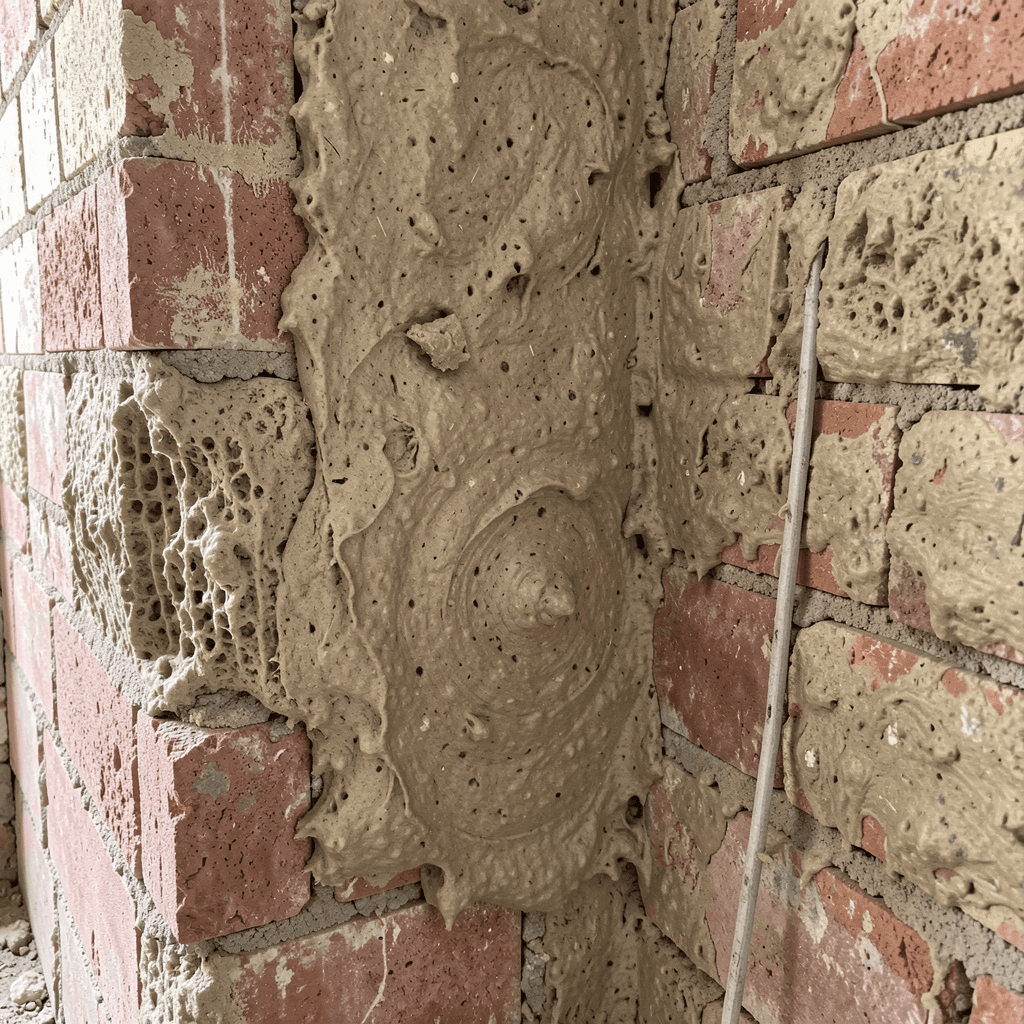
Trapped moisture refers to water that becomes locked behind or within a wall’s render layer, leaving no pathway to escape. This issue often develops when exterior surfaces are sealed without proper ventilation, drainage, or breathable materials. Over time, the moisture accumulates and reacts with temperature changes, causing bubbling, cracking, or flaking in the surface finish. In difficult situations, it can travel deeper into the structure, affecting masonry, insulation, and adjacent materials.
In the context of plastering and rendering, trapped moisture is a critical concern because it directly impacts the durability and performance of the finish. When render or plaster fails to allow moisture to evaporate, the wall becomes vulnerable to dampness, mould growth, and thermal loss. Proper application techniques, breathable products, and expert moisture assessment are essential to prevent these problems. Understanding how trapped moisture forms and how to avoid it ensures that rendered walls not only look good but remain structurally sound for years to come.
Reasons Responsible For Causing Trapped Moisture
Here are a few reasons that explain how the trapped moisture is caused, which makes you choose a house rendering in Northampton. The reasons include:
1. Poor Rendering Application
Moisture often gets trapped when render is applied incorrectly, either too thickly, too thinly, or without proper curing. Lack of bonding between layers creates micro gaps where water can seep and stay.
Impact:
Over time, these pockets accumulate moisture, which expands during freeze-thaw cycles, causing cracking and delamination.
2. Absence of Adequate Drainage or Ventilation
Walls need to “breathe” to release moisture naturally. If the render restricts airflow or the property lacks ventilation pathways, moisture remains inside the wall system.
Impact:
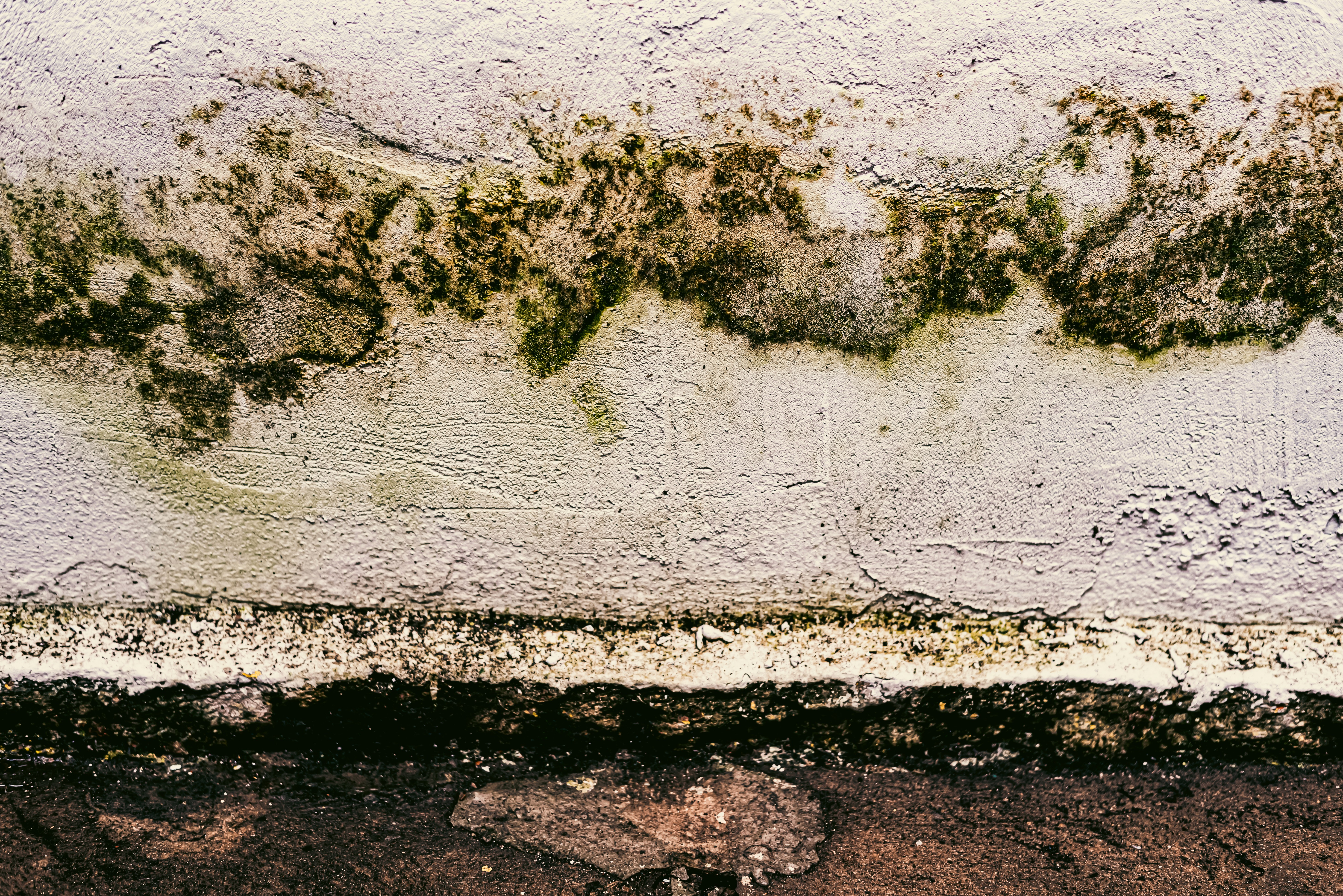
Persistent humidity encourages mould growth, damp patches and accelerated material breakdown.
3. External Water Penetration
Rainwater can penetrate small openings, such as unsealed joints, failed caulking, or window frames, and become locked beneath the render layer.
Impact:
Continuous wetting weakens adhesive properties and increases the likelihood of bubbling and flaking.
Visible Signs of Trapped Moisture
The visible signs that denote the trapped moisture include:
1. Blistering and Bubbling
The Air pressure builds as the moisture warms, creating raised bubbles on the surface of the render. This is one of the earliest visual warnings.
2. Surface Cracks
As moisture expands, the render loses flexibility and strength, leading to hairline or deep cracks that compromise building aesthetics and protection. And that's why an immediate and professional repairer of cracked wall render is necessary.
3. Damp Stains and Discolouration
Yellow, brown, or darker patches indicate prolonged moisture behind the surface, a common occurrence near downpipes, gutters, or exposed façades.
4. Peeling or Flaking Render
Once adhesion fails, sections of render detach, exposing the substrate to further weathering and damp infiltration.
Steps Required To Prevent Trapped Moisture
The steps included in rendering solutions for solid wall houses include:
1. Ensure Proper Wall Preparation
Walls must be cleaned, dried, and primed before rendering. Proper preparation prevents poor adhesion and moisture absorption.
2. Use High-Quality Breathable Materials
Modern rendering solutions support moisture diffusion, reducing the risk of damp issues beneath the surface.
3. Maintain Gutters and Downpipes
Faulty drainage systems cause exterior moisture to enter wall cavities and become trapped behind render.
4. Conduct Regular Wall Inspections
Early detection reduces long-term damage and prevents costly replacements or structural repairs.
Why Choose a Professional Service Provider?
When moisture issues appear in rendered walls, the temptation to manage repairs independently can be strong. However, improper handling may worsen cracks, delamination, or structural dampness. This is why working with a qualified plastering contractor becomes a smart and long-term investment.
Benefits of Hiring Experienced Rendering Specialists
1. Accurate Diagnosis of Moisture Issues
Professionals understand how to identify moisture sources, whether rising damp, leaks, condensation, or material incompatibility, and recommend targeted solutions rather than temporary fixes.
2. Use of Quality Materials and Suitable Techniques
Rendering experts know which materials breathe, repel moisture, and bond correctly to different substrates. This helps avoid water entrapment, which is a common cause of bubbling or blistering render.
3. Preventing Further Structural Damage
By addressing trapped moisture early and correctly, specialists help protect the underlying masonry, insulation, and internal finishes from long-term deterioration.
4. Ensures Strong Aesthetic and Functional Finish
A professional render not only improves waterproofing performance but also preserves the clean, uniform appearance of exterior walls, boosting curb appeal and property value.
5. Compliance with Industry Standards
Qualified providers work in line with local regulations, safety guidelines, and construction best practices, ensuring the repair or re-rendering is durable and future-proof.
Therefore, the impact of trapped moisture on rendered walls in rendering services is something that requires immediate consultation, as it can further lead to property issues. That is why immediately addressing it with a professional service provider, such as PPM Builders, can be an efficient choice for you.
Summary
Trapped moisture may seem like a subtle issue, but it holds significant consequences for rendered walls and the overall structural integrity of a building. When water becomes sealed beneath the render, it disrupts adhesion, encourages mould, and accelerates surface deterioration. Over time, this can lead to costly repairs, compromised insulation, and reduced property aesthetics. Understanding how humidity, sealing materials, and ventilation influence moisture movement is essential for long-lasting results. Quality Rendering Services combined with proper substrate prep, breathable materials, and professional skill ensure that rendered walls maintain durability, performance, and visual appeal without the threat of moisture-related damage.
Frequently Asked Questions
Q: Should moisture-related problems be handled by professionals?
A: Yes. A qualified rendering specialist can identify the source of the moisture, recommend corrective techniques, and apply suitable materials to prevent future issues.
Q: Can trapped moisture damage the structure of a building?
A: Yes. Persistent moisture can affect masonry, insulation, timber framing, and internal walls, potentially leading to structural deterioration over time if left untreated.
Q: How can I tell if my rendered walls have moisture issues?
A: Common signs include blistering, bubbling, cracking, mould growth, discolouration, and compromised insulation performance. In advanced cases, the render may detach from the substrate.
Rendered walls offer properties a smooth, weather-resistant, and visually appealing finish. Whether applied to new builds or refurbishments, rendering enhances durability while improving curb appeal. However, one often-overlooked issue that can undermine the longevity and performance of rendered surfaces is trapped moisture. Moisture problems tend to develop quietly hidden beneath layers of render until visual damage becomes noticeable. For homeowners and property managers, understanding how moisture behaves behind rendered walls is vital when considering maintenance, repairs, or complete rendering services.
From structural deterioration to aesthetic concerns, trapped moisture can affect both internal and external walls. It can originate from rainfall, rising damp, pipe leaks, or insufficient ventilation. Without early detection or professional intervention, moisture becomes a long-term threat that weakens the surface integrity and compromises the protective purpose of rendering in the first place.
In this blog, we discuss what is meant by trapped moisture, the reasons causing trapped moisture, how it impacts the rendering walls and services, and the steps required to prevent it. We will discuss the rendering services.
What Is Meant By The Trapped Moisture?
Trapped moisture refers to water that becomes locked behind or within a wall’s render layer, leaving no pathway to escape. This issue often develops when exterior surfaces are sealed without proper ventilation, drainage, or breathable materials. Over time, the moisture accumulates and reacts with temperature changes, causing bubbling, cracking, or flaking in the surface finish. In difficult situations, it can travel deeper into the structure, affecting masonry, insulation, and adjacent materials.
In the context of plastering and rendering, trapped moisture is a critical concern because it directly impacts the durability and performance of the finish. When render or plaster fails to allow moisture to evaporate, the wall becomes vulnerable to dampness, mould growth, and thermal loss. Proper application techniques, breathable products, and expert moisture assessment are essential to prevent these problems. Understanding how trapped moisture forms and how to avoid it ensures that rendered walls not only look good but remain structurally sound for years to come.
Reasons Responsible For Causing Trapped Moisture
Here are a few reasons that explain how the trapped moisture is caused, which makes you choose a house rendering in Northampton. The reasons include:
1. Poor Rendering Application
Moisture often gets trapped when render is applied incorrectly, either too thickly, too thinly, or without proper curing. Lack of bonding between layers creates micro gaps where water can seep and stay.
Impact:
Over time, these pockets accumulate moisture, which expands during freeze-thaw cycles, causing cracking and delamination.
2. Absence of Adequate Drainage or Ventilation
Walls need to “breathe” to release moisture naturally. If the render restricts airflow or the property lacks ventilation pathways, moisture remains inside the wall system.
Impact:
Persistent humidity encourages mould growth, damp patches and accelerated material breakdown.
3. External Water Penetration
Rainwater can penetrate small openings, such as unsealed joints, failed caulking, or window frames, and become locked beneath the render layer.
Impact:
Continuous wetting weakens adhesive properties and increases the likelihood of bubbling and flaking.
Visible Signs of Trapped Moisture
The visible signs that denote the trapped moisture include:
1. Blistering and Bubbling
The Air pressure builds as the moisture warms, creating raised bubbles on the surface of the render. This is one of the earliest visual warnings.
2. Surface Cracks
As moisture expands, the render loses flexibility and strength, leading to hairline or deep cracks that compromise building aesthetics and protection. And that's why an immediate and professional repairer of cracked wall render is necessary.
3. Damp Stains and Discolouration
Yellow, brown, or darker patches indicate prolonged moisture behind the surface, a common occurrence near downpipes, gutters, or exposed façades.
4. Peeling or Flaking Render
Once adhesion fails, sections of render detach, exposing the substrate to further weathering and damp infiltration.
Steps Required To Prevent Trapped Moisture
The steps included in rendering solutions for solid wall houses include:
1. Ensure Proper Wall Preparation
Walls must be cleaned, dried, and primed before rendering. Proper preparation prevents poor adhesion and moisture absorption.
2. Use High-Quality Breathable Materials
Modern rendering solutions support moisture diffusion, reducing the risk of damp issues beneath the surface.
3. Maintain Gutters and Downpipes
Faulty drainage systems cause exterior moisture to enter wall cavities and become trapped behind render.
4. Conduct Regular Wall Inspections
Early detection reduces long-term damage and prevents costly replacements or structural repairs.
Why Choose a Professional Service Provider?
When moisture issues appear in rendered walls, the temptation to manage repairs independently can be strong. However, improper handling may worsen cracks, delamination, or structural dampness. This is why working with a qualified plastering contractor becomes a smart and long-term investment.
Benefits of Hiring Experienced Rendering Specialists
1. Accurate Diagnosis of Moisture Issues
Professionals understand how to identify moisture sources, whether rising damp, leaks, condensation, or material incompatibility, and recommend targeted solutions rather than temporary fixes.
2. Use of Quality Materials and Suitable Techniques
Rendering experts know which materials breathe, repel moisture, and bond correctly to different substrates. This helps avoid water entrapment, which is a common cause of bubbling or blistering render.
3. Preventing Further Structural Damage
By addressing trapped moisture early and correctly, specialists help protect the underlying masonry, insulation, and internal finishes from long-term deterioration.
4. Ensures Strong Aesthetic and Functional Finish
A professional render not only improves waterproofing performance but also preserves the clean, uniform appearance of exterior walls, boosting curb appeal and property value.
5. Compliance with Industry Standards
Qualified providers work in line with local regulations, safety guidelines, and construction best practices, ensuring the repair or re-rendering is durable and future-proof.
Therefore, the impact of trapped moisture on rendered walls in rendering services is something that requires immediate consultation, as it can further lead to property issues. That is why immediately addressing it with a professional service provider, such as PPM Builders, can be an efficient choice for you.
Summary
Trapped moisture may seem like a subtle issue, but it holds significant consequences for rendered walls and the overall structural integrity of a building. When water becomes sealed beneath the render, it disrupts adhesion, encourages mould, and accelerates surface deterioration. Over time, this can lead to costly repairs, compromised insulation, and reduced property aesthetics. Understanding how humidity, sealing materials, and ventilation influence moisture movement is essential for long-lasting results. Quality Rendering Services combined with proper substrate prep, breathable materials, and professional skill ensure that rendered walls maintain durability, performance, and visual appeal without the threat of moisture-related damage.
Frequently Asked Questions
Q: Should moisture-related problems be handled by professionals?
A: Yes. A qualified rendering specialist can identify the source of the moisture, recommend corrective techniques, and apply suitable materials to prevent future issues.
Q: Can trapped moisture damage the structure of a building?
A: Yes. Persistent moisture can affect masonry, insulation, timber framing, and internal walls, potentially leading to structural deterioration over time if left untreated.
Q: How can I tell if my rendered walls have moisture issues?
A: Common signs include blistering, bubbling, cracking, mould growth, discolouration, and compromised insulation performance. In advanced cases, the render may detach from the substrate.
Rendered walls offer properties a smooth, weather-resistant, and visually appealing finish. Whether applied to new builds or refurbishments, rendering enhances durability while improving curb appeal. However, one often-overlooked issue that can undermine the longevity and performance of rendered surfaces is trapped moisture. Moisture problems tend to develop quietly hidden beneath layers of render until visual damage becomes noticeable. For homeowners and property managers, understanding how moisture behaves behind rendered walls is vital when considering maintenance, repairs, or complete rendering services.
From structural deterioration to aesthetic concerns, trapped moisture can affect both internal and external walls. It can originate from rainfall, rising damp, pipe leaks, or insufficient ventilation. Without early detection or professional intervention, moisture becomes a long-term threat that weakens the surface integrity and compromises the protective purpose of rendering in the first place.
In this blog, we discuss what is meant by trapped moisture, the reasons causing trapped moisture, how it impacts the rendering walls and services, and the steps required to prevent it. We will discuss the rendering services.
What Is Meant By The Trapped Moisture?
Trapped moisture refers to water that becomes locked behind or within a wall’s render layer, leaving no pathway to escape. This issue often develops when exterior surfaces are sealed without proper ventilation, drainage, or breathable materials. Over time, the moisture accumulates and reacts with temperature changes, causing bubbling, cracking, or flaking in the surface finish. In difficult situations, it can travel deeper into the structure, affecting masonry, insulation, and adjacent materials.
In the context of plastering and rendering, trapped moisture is a critical concern because it directly impacts the durability and performance of the finish. When render or plaster fails to allow moisture to evaporate, the wall becomes vulnerable to dampness, mould growth, and thermal loss. Proper application techniques, breathable products, and expert moisture assessment are essential to prevent these problems. Understanding how trapped moisture forms and how to avoid it ensures that rendered walls not only look good but remain structurally sound for years to come.
Reasons Responsible For Causing Trapped Moisture
Here are a few reasons that explain how the trapped moisture is caused, which makes you choose a house rendering in Northampton. The reasons include:
1. Poor Rendering Application
Moisture often gets trapped when render is applied incorrectly, either too thickly, too thinly, or without proper curing. Lack of bonding between layers creates micro gaps where water can seep and stay.
Impact:
Over time, these pockets accumulate moisture, which expands during freeze-thaw cycles, causing cracking and delamination.
2. Absence of Adequate Drainage or Ventilation
Walls need to “breathe” to release moisture naturally. If the render restricts airflow or the property lacks ventilation pathways, moisture remains inside the wall system.
Impact:
Persistent humidity encourages mould growth, damp patches and accelerated material breakdown.
3. External Water Penetration
Rainwater can penetrate small openings, such as unsealed joints, failed caulking, or window frames, and become locked beneath the render layer.
Impact:
Continuous wetting weakens adhesive properties and increases the likelihood of bubbling and flaking.
Visible Signs of Trapped Moisture
The visible signs that denote the trapped moisture include:
1. Blistering and Bubbling
The Air pressure builds as the moisture warms, creating raised bubbles on the surface of the render. This is one of the earliest visual warnings.
2. Surface Cracks
As moisture expands, the render loses flexibility and strength, leading to hairline or deep cracks that compromise building aesthetics and protection. And that's why an immediate and professional repairer of cracked wall render is necessary.
3. Damp Stains and Discolouration
Yellow, brown, or darker patches indicate prolonged moisture behind the surface, a common occurrence near downpipes, gutters, or exposed façades.
4. Peeling or Flaking Render
Once adhesion fails, sections of render detach, exposing the substrate to further weathering and damp infiltration.
Steps Required To Prevent Trapped Moisture
The steps included in rendering solutions for solid wall houses include:
1. Ensure Proper Wall Preparation
Walls must be cleaned, dried, and primed before rendering. Proper preparation prevents poor adhesion and moisture absorption.
2. Use High-Quality Breathable Materials
Modern rendering solutions support moisture diffusion, reducing the risk of damp issues beneath the surface.
3. Maintain Gutters and Downpipes
Faulty drainage systems cause exterior moisture to enter wall cavities and become trapped behind render.
4. Conduct Regular Wall Inspections
Early detection reduces long-term damage and prevents costly replacements or structural repairs.
Why Choose a Professional Service Provider?
When moisture issues appear in rendered walls, the temptation to manage repairs independently can be strong. However, improper handling may worsen cracks, delamination, or structural dampness. This is why working with a qualified plastering contractor becomes a smart and long-term investment.
Benefits of Hiring Experienced Rendering Specialists
1. Accurate Diagnosis of Moisture Issues
Professionals understand how to identify moisture sources, whether rising damp, leaks, condensation, or material incompatibility, and recommend targeted solutions rather than temporary fixes.
2. Use of Quality Materials and Suitable Techniques
Rendering experts know which materials breathe, repel moisture, and bond correctly to different substrates. This helps avoid water entrapment, which is a common cause of bubbling or blistering render.
3. Preventing Further Structural Damage
By addressing trapped moisture early and correctly, specialists help protect the underlying masonry, insulation, and internal finishes from long-term deterioration.
4. Ensures Strong Aesthetic and Functional Finish
A professional render not only improves waterproofing performance but also preserves the clean, uniform appearance of exterior walls, boosting curb appeal and property value.
5. Compliance with Industry Standards
Qualified providers work in line with local regulations, safety guidelines, and construction best practices, ensuring the repair or re-rendering is durable and future-proof.
Therefore, the impact of trapped moisture on rendered walls in rendering services is something that requires immediate consultation, as it can further lead to property issues. That is why immediately addressing it with a professional service provider, such as PPM Builders, can be an efficient choice for you.
Summary
Trapped moisture may seem like a subtle issue, but it holds significant consequences for rendered walls and the overall structural integrity of a building. When water becomes sealed beneath the render, it disrupts adhesion, encourages mould, and accelerates surface deterioration. Over time, this can lead to costly repairs, compromised insulation, and reduced property aesthetics. Understanding how humidity, sealing materials, and ventilation influence moisture movement is essential for long-lasting results. Quality Rendering Services combined with proper substrate prep, breathable materials, and professional skill ensure that rendered walls maintain durability, performance, and visual appeal without the threat of moisture-related damage.
Frequently Asked Questions
Q: Should moisture-related problems be handled by professionals?
A: Yes. A qualified rendering specialist can identify the source of the moisture, recommend corrective techniques, and apply suitable materials to prevent future issues.
Q: Can trapped moisture damage the structure of a building?
A: Yes. Persistent moisture can affect masonry, insulation, timber framing, and internal walls, potentially leading to structural deterioration over time if left untreated.
Q: How can I tell if my rendered walls have moisture issues?
A: Common signs include blistering, bubbling, cracking, mould growth, discolouration, and compromised insulation performance. In advanced cases, the render may detach from the substrate.



Other Blogs
Other Similar Blogs
Your go-to destination for insightful articles, tips, and inspiration on all things landscaping and outdoor living
Other Blogs
Other Similar Blogs
Your go-to destination for insightful articles, tips, and inspiration on all things landscaping and outdoor living
Other Blogs
Other Similar Blogs
Your go-to destination for insightful articles, tips, and inspiration on all things landscaping and outdoor living