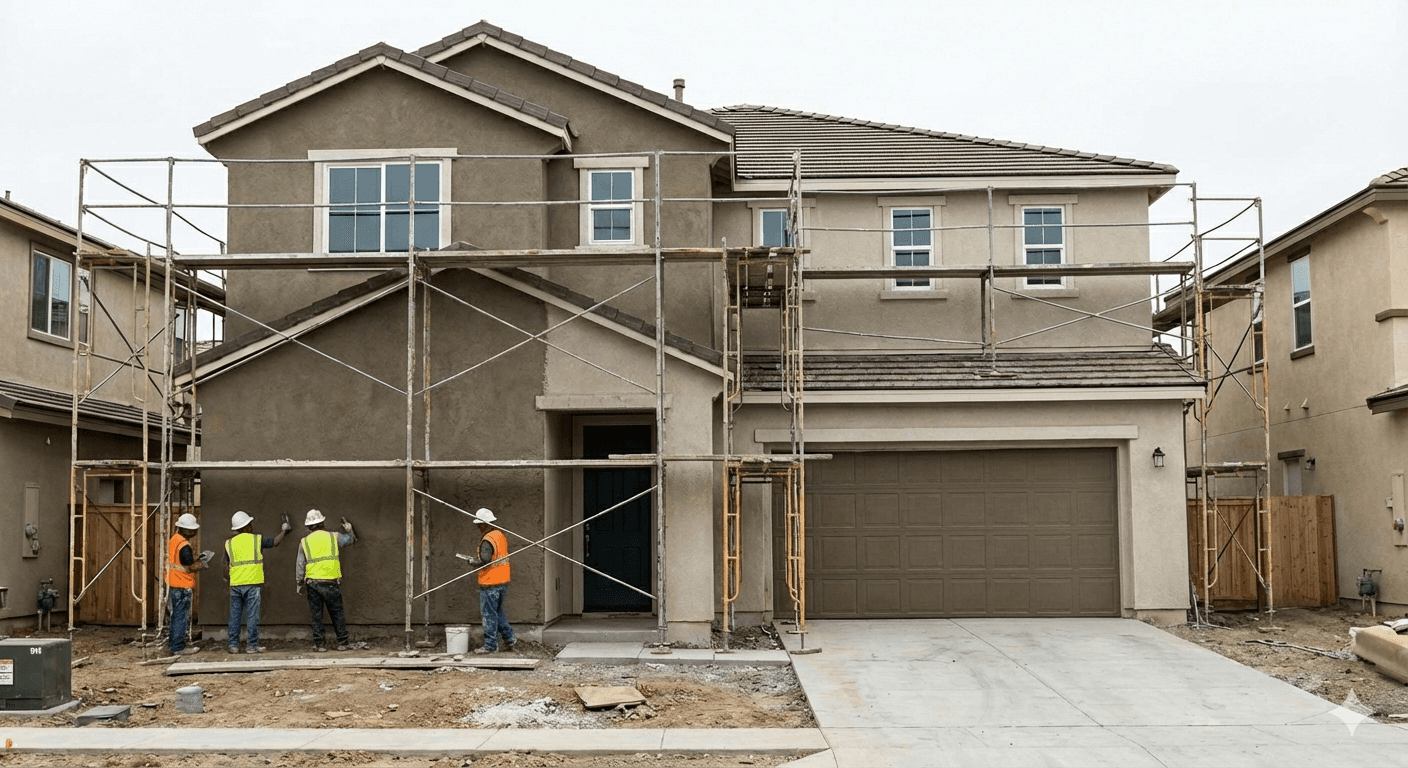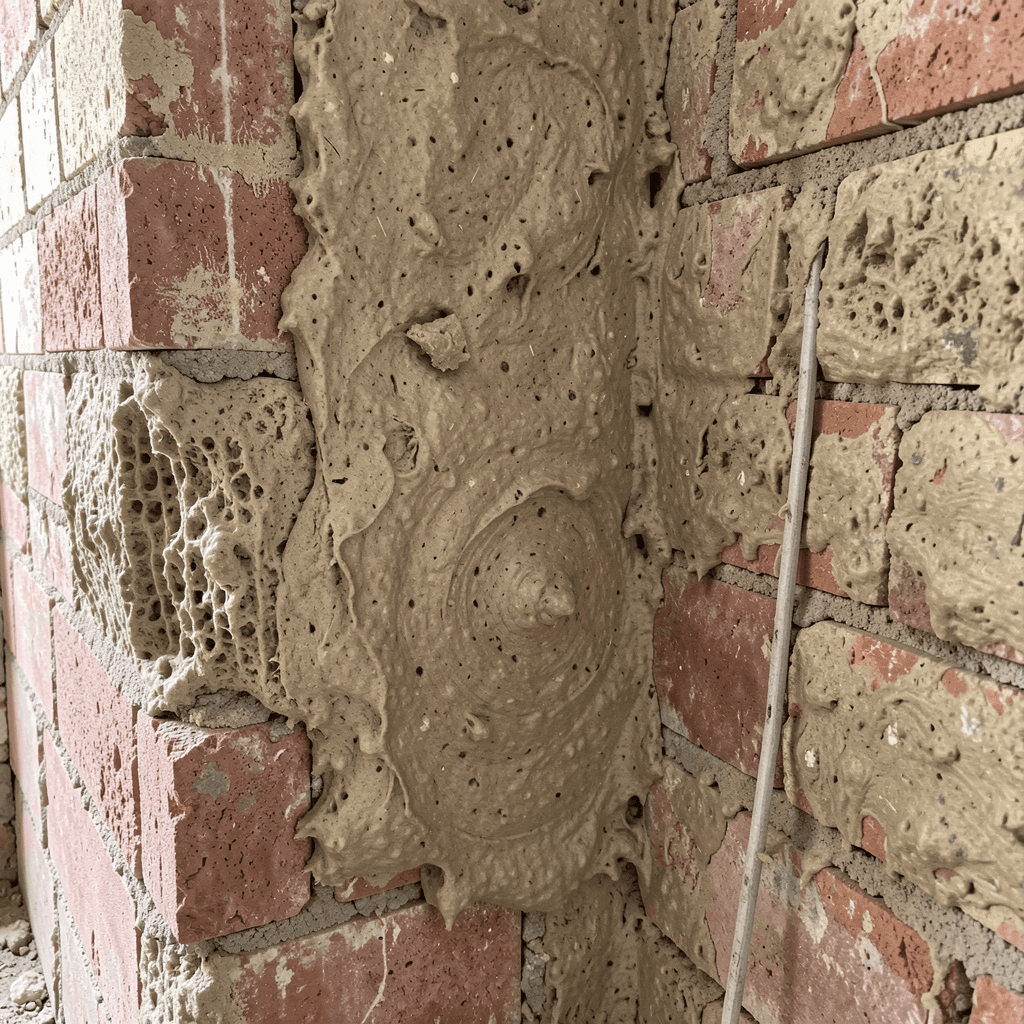
Cavity wall insulation is a practical solution for improving residential energy efficiency by filling the air gap between external walls. This process helps regulate indoor temperatures, lowering heating costs and reducing carbon footprints. However, success depends on a clear cavity and sound brickwork. Professional assessments are vital to identify potential moisture or structural risks before installation begins.
Cavity wall insulation is a practical solution for improving residential energy efficiency by filling the air gap between external walls. This process helps regulate indoor temperatures, lowering heating costs and reducing carbon footprints. However, success depends on a clear cavity and sound brickwork. Professional assessments are vital to identify potential moisture or structural risks before installation begins.
About Author

Matthew Rupniak
Lucjan Rupniak is part of the family-run business
About Author
Matthew Rupniak
Lucjan Rupniak is part of the family-run business
Improving home energy efficiency has become a growing priority for homeowners across the UK, especially as energy costs continue to fluctuate and environmental awareness increases. Among the many energy-saving upgrades available, cavity wall insulation remains one of the most effective and accessible options for boosting home comfort and reducing utility bills. Many residential properties already feature cavity walls, a construction method involving two layers of masonry with a small gap in between. This gap can act as a thermal bridge, allowing heat to escape and cold air to enter, particularly during the winter months.
Insulating the cavity helps homeowners minimise heat loss, maintain more consistent indoor temperatures, and reduce dependence on boilers or heating systems. For families looking to improve living comfort, lower energy waste, or meet modern sustainability standards, cavity wall insulation can make a noticeable difference. Beyond immediate benefits, insulation also plays a role in long-term property value, environmental performance, and compliance with building recommendations focused on carbon reduction.
This guide explores key facts about cavity wall insulation for residential properties, including how it works, what types are available, and what homeowners should consider before installation.
What is cavity wall insulation?
Cavity wall insulation is the process that involves filling the gap between two external wall layers with insulating material to prevent heat from escaping through the property’s walls. You can make the right choice by choosing a professional cavity wall insulation installer in Northampton.
This is how the cavity insulation works:
Reducing Heat Transfer
It reduces heat as the insulation slows down heat flow, helping keep homes warmer in winter and cooler in summer.
Improving Household Energy Efficiency
Households enhance energy efficiency with better temperature regulation, and heating systems require less effort, which can help lower monthly heating bills.
What are the Benefits of Cavity Wall Insulation for Homes?
Cavity wall insulation for homes is a process that benefits many homeowners when planning to build their property. Therefore, some of the benefits include:
- Reduced Energy Bills
Cavity insulation can significantly decrease heat loss, improving thermal efficiency and lowering household fuel consumption.
- Enhanced Indoor Comfort
Homes feel warmer for longer, with fewer cold spots and drafts during winter.
- Environmental Impact
Reducing energy use can help lower carbon emissions and support sustainability goals.
- Adds Value to Property
Energy-efficient upgrades can make a home more attractive to buyers and may improve its energy rating.
Suitability of Cavity Wall Insulation for UK Homes
Not all houses are suitable for cavity wall insulation, so these basic assessments are often required.
Construction Type
The type of construction is a major concern, as the properties which are built between the 1920s and 1980s commonly have cavity walls that can be insulated.
External Conditions
External conditions are another concern, as the homes exposed to high levels of wind-driven rain may require different materials or additional moisture protection.
Cavity Condition
The cavity conditions are also a main reason, as they should be free from debris, dampness, or structural damage before installation.
What are the problems detected during cavity wall installation?
Cavity wall insulation can greatly improve home efficiency, but surveys and installation processes may reveal issues that need addressing before work can begin. Identifying these problems early helps prevent dampness, structural complications, and long-term energy loss.
1. Damp or Moisture Within the Walls
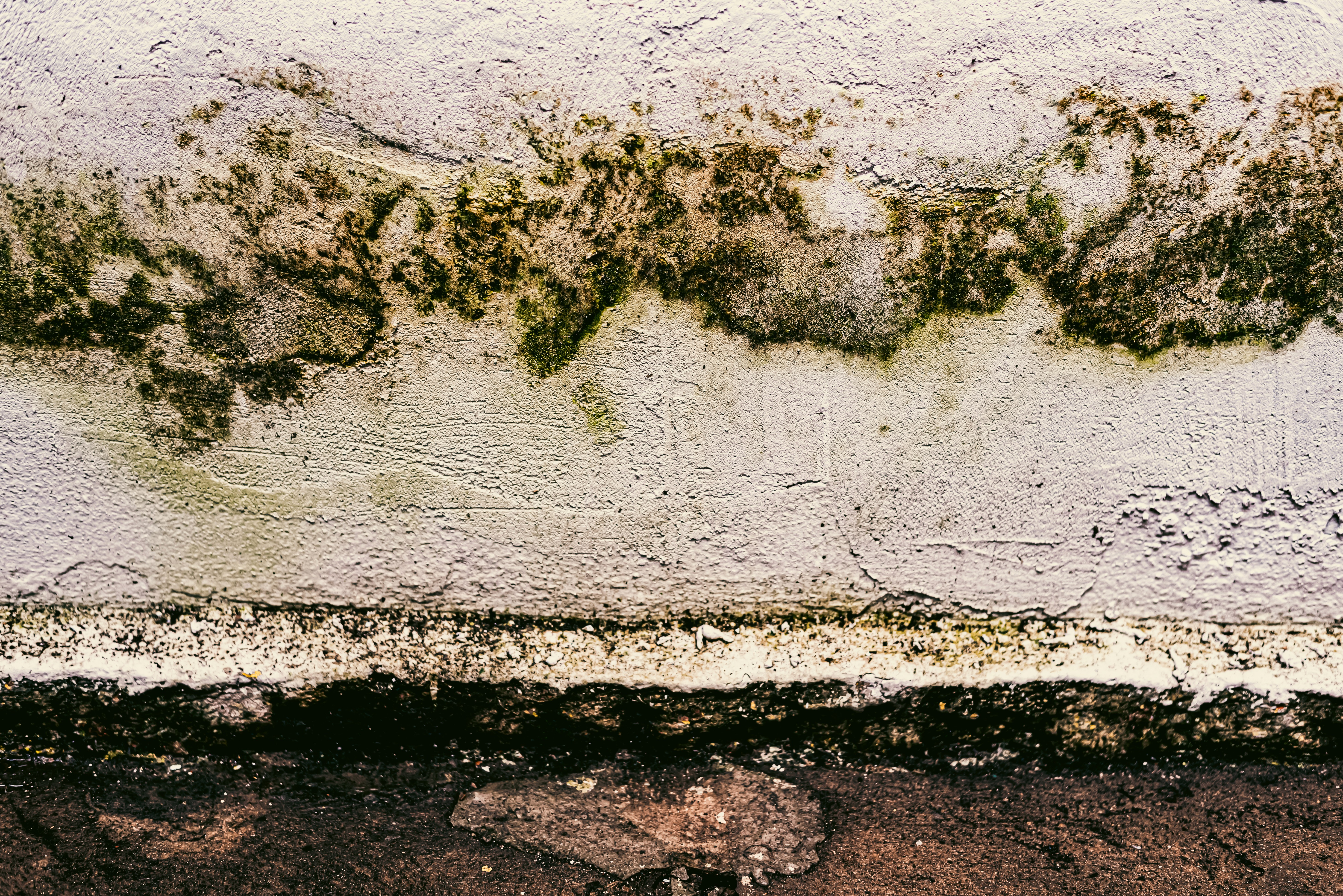
Surveyors often detect existing dampness caused by leaks, poor drainage, or inadequate ventilation. Insulating over damp areas can trap moisture, leading to mould and structural deterioration.
2. Blocked or Debris-Filled Cavities
Construction debris, rubble, or mortar droppings inside the cavity can obstruct insulation coverage. Uneven filling reduces thermal performance and may create cold spots.
3. Cracked or Damaged Brickwork
Cracks in external brickwork or mortar joints can allow water ingress, which becomes problematic once insulation is installed. Repairs are often required beforehand.
4. Exposure to Wind-Driven Rain
Homes located in coastal or high-rainfall regions face increased moisture risks. Surveyors assess exposure levels to determine whether insulation materials are suitable for the property.
5. Structural or Wall Tie Issues
Older homes may have corroded or missing wall ties, compromising wall strength. These issues must be corrected to avoid long-term structural failure.
Why Choose a Professional Service Provider?
Choosing a professional service provider ensures that cavity wall insulation is installed correctly, safely, and in accordance with current building standards. Specialists conduct thorough surveys, identify potential risks, and recommend suitable materials based on the property’s age, exposure, and structural conditions. This level of expertise helps prevent issues such as dampness, poor coverage, or thermal bridging, all of which can reduce performance over time. When installed professionally, homeowners benefit from improved energy efficiency, enhanced comfort, and a longer cavity wall insulation lifespan, making the investment more cost-effective and reliable in the long term.
Whether you want professional rendering services or cavity installation in Northampton, choosing PPM Builders stands as the top choice, as they ensure professional services with excellent results.
Conclusion
In conclusion, cavity wall insulation offers a straightforward way for homeowners to improve thermal comfort, lower energy consumption, and increase long-term property value. Understanding how insulation works, what materials are available, and what conditions must be met helps ensure the best possible outcome for residential properties. With guidance from experienced professionals, issues such as damp, debris, or unsuitable wall construction can be identified and resolved before installation takes place. For households seeking expert support and reliable workmanship, working with a qualified service provider can make all the difference in achieving an efficient, durable, and cost-effective home upgrade.
Frequently Asked Questions
Q: How Long Does The Cavity Wall Insulation Last?
A: In most properties, cavity wall insulation can last for several decades, depending on the material used, installation quality, and local conditions. Professional assessment and installation help ensure longevity and consistent performance.
Q: What is cavity wall insulation, and how does it work?
A: Cavity wall insulation involves filling the space between the external and internal walls of a property with a suitable insulating material. This helps to reduce heat loss, improve energy efficiency, and create a more comfortable indoor environment throughout the year.
Q: Is cavity wall insulation expensive?
A: Costs vary based on material, property size, and installation complexity. However, many homeowners find the investment pays for itself over time through reduced heating costs and improved energy performance.
Improving home energy efficiency has become a growing priority for homeowners across the UK, especially as energy costs continue to fluctuate and environmental awareness increases. Among the many energy-saving upgrades available, cavity wall insulation remains one of the most effective and accessible options for boosting home comfort and reducing utility bills. Many residential properties already feature cavity walls, a construction method involving two layers of masonry with a small gap in between. This gap can act as a thermal bridge, allowing heat to escape and cold air to enter, particularly during the winter months.
Insulating the cavity helps homeowners minimise heat loss, maintain more consistent indoor temperatures, and reduce dependence on boilers or heating systems. For families looking to improve living comfort, lower energy waste, or meet modern sustainability standards, cavity wall insulation can make a noticeable difference. Beyond immediate benefits, insulation also plays a role in long-term property value, environmental performance, and compliance with building recommendations focused on carbon reduction.
This guide explores key facts about cavity wall insulation for residential properties, including how it works, what types are available, and what homeowners should consider before installation.
What is cavity wall insulation?
Cavity wall insulation is the process that involves filling the gap between two external wall layers with insulating material to prevent heat from escaping through the property’s walls. You can make the right choice by choosing a professional cavity wall insulation installer in Northampton.
This is how the cavity insulation works:
Reducing Heat Transfer
It reduces heat as the insulation slows down heat flow, helping keep homes warmer in winter and cooler in summer.
Improving Household Energy Efficiency
Households enhance energy efficiency with better temperature regulation, and heating systems require less effort, which can help lower monthly heating bills.
What are the Benefits of Cavity Wall Insulation for Homes?
Cavity wall insulation for homes is a process that benefits many homeowners when planning to build their property. Therefore, some of the benefits include:
- Reduced Energy Bills
Cavity insulation can significantly decrease heat loss, improving thermal efficiency and lowering household fuel consumption.
- Enhanced Indoor Comfort
Homes feel warmer for longer, with fewer cold spots and drafts during winter.
- Environmental Impact
Reducing energy use can help lower carbon emissions and support sustainability goals.
- Adds Value to Property
Energy-efficient upgrades can make a home more attractive to buyers and may improve its energy rating.
Suitability of Cavity Wall Insulation for UK Homes
Not all houses are suitable for cavity wall insulation, so these basic assessments are often required.
Construction Type
The type of construction is a major concern, as the properties which are built between the 1920s and 1980s commonly have cavity walls that can be insulated.
External Conditions
External conditions are another concern, as the homes exposed to high levels of wind-driven rain may require different materials or additional moisture protection.
Cavity Condition
The cavity conditions are also a main reason, as they should be free from debris, dampness, or structural damage before installation.
What are the problems detected during cavity wall installation?
Cavity wall insulation can greatly improve home efficiency, but surveys and installation processes may reveal issues that need addressing before work can begin. Identifying these problems early helps prevent dampness, structural complications, and long-term energy loss.
1. Damp or Moisture Within the Walls
Surveyors often detect existing dampness caused by leaks, poor drainage, or inadequate ventilation. Insulating over damp areas can trap moisture, leading to mould and structural deterioration.
2. Blocked or Debris-Filled Cavities
Construction debris, rubble, or mortar droppings inside the cavity can obstruct insulation coverage. Uneven filling reduces thermal performance and may create cold spots.
3. Cracked or Damaged Brickwork
Cracks in external brickwork or mortar joints can allow water ingress, which becomes problematic once insulation is installed. Repairs are often required beforehand.
4. Exposure to Wind-Driven Rain
Homes located in coastal or high-rainfall regions face increased moisture risks. Surveyors assess exposure levels to determine whether insulation materials are suitable for the property.
5. Structural or Wall Tie Issues
Older homes may have corroded or missing wall ties, compromising wall strength. These issues must be corrected to avoid long-term structural failure.
Why Choose a Professional Service Provider?
Choosing a professional service provider ensures that cavity wall insulation is installed correctly, safely, and in accordance with current building standards. Specialists conduct thorough surveys, identify potential risks, and recommend suitable materials based on the property’s age, exposure, and structural conditions. This level of expertise helps prevent issues such as dampness, poor coverage, or thermal bridging, all of which can reduce performance over time. When installed professionally, homeowners benefit from improved energy efficiency, enhanced comfort, and a longer cavity wall insulation lifespan, making the investment more cost-effective and reliable in the long term.
Whether you want professional rendering services or cavity installation in Northampton, choosing PPM Builders stands as the top choice, as they ensure professional services with excellent results.
Conclusion
In conclusion, cavity wall insulation offers a straightforward way for homeowners to improve thermal comfort, lower energy consumption, and increase long-term property value. Understanding how insulation works, what materials are available, and what conditions must be met helps ensure the best possible outcome for residential properties. With guidance from experienced professionals, issues such as damp, debris, or unsuitable wall construction can be identified and resolved before installation takes place. For households seeking expert support and reliable workmanship, working with a qualified service provider can make all the difference in achieving an efficient, durable, and cost-effective home upgrade.
Frequently Asked Questions
Q: How Long Does The Cavity Wall Insulation Last?
A: In most properties, cavity wall insulation can last for several decades, depending on the material used, installation quality, and local conditions. Professional assessment and installation help ensure longevity and consistent performance.
Q: What is cavity wall insulation, and how does it work?
A: Cavity wall insulation involves filling the space between the external and internal walls of a property with a suitable insulating material. This helps to reduce heat loss, improve energy efficiency, and create a more comfortable indoor environment throughout the year.
Q: Is cavity wall insulation expensive?
A: Costs vary based on material, property size, and installation complexity. However, many homeowners find the investment pays for itself over time through reduced heating costs and improved energy performance.



Other Blogs
Other Similar Blogs
Your go-to destination for insightful articles, tips, and inspiration on all things landscaping and outdoor living
Other Blogs
Other Similar Blogs
Your go-to destination for insightful articles, tips, and inspiration on all things landscaping and outdoor living
Other Blogs
Other Similar Blogs
Your go-to destination for insightful articles, tips, and inspiration on all things landscaping and outdoor living